Buy groep.eu ?
We are moving the project
groep.eu .
Are you interested in purchasing the domain
groep.eu ?
domain@kv-gmbh.de · 0541-91531010
Buy groep.eu ?
How do I calculate refraction or the angle of refraction?
To calculate refraction or the angle of refraction, you can use Snell's Law, which relates the angles of incidence and refraction to the refractive indices of the two mediums involved. The formula is n1*sin(theta1) = n2*sin(theta2), where n1 and n2 are the refractive indices of the two mediums, and theta1 and theta2 are the angles of incidence and refraction, respectively. By rearranging this formula, you can solve for the angle of refraction when given the angle of incidence and refractive indices of the mediums. **
How do I calculate the refraction or the angle of refraction?
To calculate the angle of refraction, you can use Snell's Law, which states that the ratio of the sine of the angle of incidence to the sine of the angle of refraction is equal to the ratio of the velocities of light in the two different mediums. Mathematically, this can be expressed as n1*sin(theta1) = n2*sin(theta2), where n1 and n2 are the refractive indices of the two mediums, and theta1 and theta2 are the angles of incidence and refraction, respectively. By rearranging this equation, you can solve for the angle of refraction. **
Similar search terms for Refraction
Top-Angebote
Products related to Refraction:
-
Our Voices: Neighborhood & Community Boxed SetFoster a feeling of belonging while building key reading skills with these colorful storybooks that spotlight a variety of neighborhoods and communities. The 10 charming stories feature characters from different cultural backgrounds who learn about...32,37 $*Shipping: 0,00 $Secure redirect to the provider
-
eufy Network Video Recorder E50On-Device AI Agent: Upgrade to smart, real-time security with a local AI agent that enables instant analysis, genuine threat identification, and decisive action for secure, cloud-free security that's completely subscription-free. Customisable No-Go Zones and alerts empower your security system to accurately detect real danger and ensure tailored responses Free AI-Powered Video Finder: Instantly find what you're looking for by searching with keywords to avoid scrolling through hours of footage. Easy Setup: Just one network cable connects each eufy PoE camera to the NVR for power and video, making setup a breeze. Wide Compatibility: Works with other eufy security cameras and devices (Wi-Fi module required), ensuring seamless integration with your existing eufy security setup. Compatible with Alexa and Google Assistant. Only for eufy Cameras: Designed exclusively for eufy cameras to ensure optimal performance and integration. Effortless Remote Control: Experience AI-powered remote access with eufy NVR E50 for smarter 24/7 surveillance and flexible streaming. 24/7 Recording, Expandable Security: The 8-port NVR supports up to 8 cameras and is expandable to 16 channels via a PoE switch. Supports HDD storage up to 16TB for continuous 24/7 local recording. Add more eufy PoE cameras to expand wired coverage, or connect Wi-Fi cameras via eufy Wi-Fi Module (sold separately) to expand your coverage.319,00 £*Shipping: 0,00 £Secure redirect to the provider
-
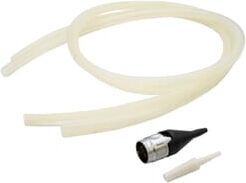
Testo Hose Connection SetHose connection set for separate gas pressure measurement testo 327 / testo 330-LL. With the pressure connection set, the flue gas measuring instruments testo 330 LL and testo 320 can be used for the measurement of gas or air pressure. The hoses are attached to the test nipples at the measurement site, and connected to the flue gas measuring instrument via the measuring instrument adapter.35,70 £*Shipping: 5,00 £Secure redirect to the provider



-
What is the angle of refraction in the refraction of light?
The angle of refraction in the refraction of light is the angle between the refracted ray and the normal to the surface at the point of incidence. It is determined by Snell's Law, which states that the ratio of the sine of the angle of incidence to the sine of the angle of refraction is equal to the ratio of the velocities of light in the two media. The angle of refraction can be calculated using the formula: n1*sin(θ1) = n2*sin(θ2), where n1 and n2 are the refractive indices of the two media, and θ1 and θ2 are the angles of incidence and refraction, respectively. **
-
What is the law of refraction?
The law of refraction, also known as Snell's law, describes the relationship between the angles of incidence and refraction when a wave, such as light or sound, passes from one medium to another. It states that the ratio of the sine of the angle of incidence to the sine of the angle of refraction is equal to the ratio of the velocities of the wave in the two media. In other words, the law of refraction quantifies how much a wave bends as it passes from one medium to another, such as from air to water or from air to glass. **
-
What is refraction in a prism?
Refraction in a prism is the bending of light as it passes through the prism due to the change in speed of light in different mediums. When light enters a prism, it slows down and bends towards the normal line, then as it exits the prism, it speeds up and bends away from the normal line. This bending of light causes the different colors of the spectrum to separate and create a rainbow effect. **
-
How does the refraction of light occur?
Refraction of light occurs when light travels from one medium to another with a different optical density, causing the light rays to change direction. This change in direction is due to the difference in speed of light in the two mediums. As light enters a medium with a different optical density, it can either speed up or slow down, causing the light rays to bend. This bending of light is what we observe as refraction. **


How can one construct refraction of light?
One can construct refraction of light by passing light through a medium with a different optical density, such as air to water or glass. The change in optical density causes the light to change speed and bend as it enters the new medium, resulting in refraction. The angle of refraction can be calculated using Snell's Law, which relates the angles of incidence and refraction to the refractive indices of the two mediums. By understanding and manipulating these principles, one can effectively construct and demonstrate refraction of light. **
What is the refraction of the wave?
Refraction of a wave is the change in direction and speed of the wave as it passes from one medium to another. This occurs because the wave changes speed as it enters a new medium, causing it to bend. The amount of refraction depends on the change in speed and the angle at which the wave enters the new medium. Refraction is commonly observed in phenomena such as the bending of light as it passes through water or the change in direction of ocean waves as they approach the shore. **
Top-Angebote
Products related to Refraction:
-
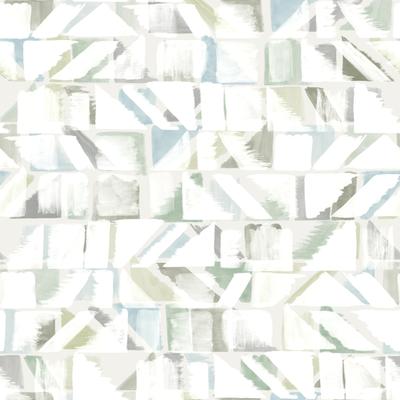
York Wallcoverings Blue Refraction Peel and Stick WallpaperPattern Refraction is a fractured geometric with the effect of a broken prism of reflected light. This Refraction Peel & Stick Wallpaper measures approximately 20.5 inches wide by 20 feet long, covering About 34.2 square feet per roll.55,25 $*Shipping: 0,00 $Secure redirect to the provider
-
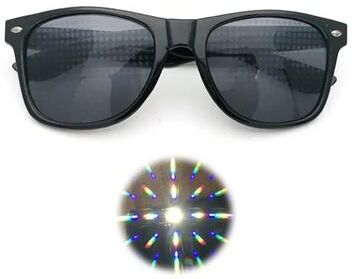
Quick Pick Pro Prism Effect Diffraction Glasses For Raves & Festivals Black Frame Rave Glasses With Light Refraction Lenses Prism Effect Diffraction Glasses For Raves & Festivals Black Frame Rave Glasses With Light Refraction LensesStep into a world where light becomes a living celebration. These Prism Effect diffraction glasses turn every laser, LED and stage light into vibrant, kaleidoscopic visuals that pull you deeper into the moment. Designed for music lovers, festival...41,97 $*Shipping: 0,00 $Secure redirect to the provider
-
Our Voices: Neighborhood & Community Boxed SetFoster a feeling of belonging while building key reading skills with these colorful storybooks that spotlight a variety of neighborhoods and communities. The 10 charming stories feature characters from different cultural backgrounds who learn about...32,37 $*Shipping: 0,00 $Secure redirect to the provider
-
eufy Network Video Recorder E50On-Device AI Agent: Upgrade to smart, real-time security with a local AI agent that enables instant analysis, genuine threat identification, and decisive action for secure, cloud-free security that's completely subscription-free. Customisable No-Go Zones and alerts empower your security system to accurately detect real danger and ensure tailored responses Free AI-Powered Video Finder: Instantly find what you're looking for by searching with keywords to avoid scrolling through hours of footage. Easy Setup: Just one network cable connects each eufy PoE camera to the NVR for power and video, making setup a breeze. Wide Compatibility: Works with other eufy security cameras and devices (Wi-Fi module required), ensuring seamless integration with your existing eufy security setup. Compatible with Alexa and Google Assistant. Only for eufy Cameras: Designed exclusively for eufy cameras to ensure optimal performance and integration. Effortless Remote Control: Experience AI-powered remote access with eufy NVR E50 for smarter 24/7 surveillance and flexible streaming. 24/7 Recording, Expandable Security: The 8-port NVR supports up to 8 cameras and is expandable to 16 channels via a PoE switch. Supports HDD storage up to 16TB for continuous 24/7 local recording. Add more eufy PoE cameras to expand wired coverage, or connect Wi-Fi cameras via eufy Wi-Fi Module (sold separately) to expand your coverage.319,00 £*Shipping: 0,00 £Secure redirect to the provider
-
How do I calculate refraction or the angle of refraction?
To calculate refraction or the angle of refraction, you can use Snell's Law, which relates the angles of incidence and refraction to the refractive indices of the two mediums involved. The formula is n1*sin(theta1) = n2*sin(theta2), where n1 and n2 are the refractive indices of the two mediums, and theta1 and theta2 are the angles of incidence and refraction, respectively. By rearranging this formula, you can solve for the angle of refraction when given the angle of incidence and refractive indices of the mediums. **
-
How do I calculate the refraction or the angle of refraction?
To calculate the angle of refraction, you can use Snell's Law, which states that the ratio of the sine of the angle of incidence to the sine of the angle of refraction is equal to the ratio of the velocities of light in the two different mediums. Mathematically, this can be expressed as n1*sin(theta1) = n2*sin(theta2), where n1 and n2 are the refractive indices of the two mediums, and theta1 and theta2 are the angles of incidence and refraction, respectively. By rearranging this equation, you can solve for the angle of refraction. **
-
What is the angle of refraction in the refraction of light?
The angle of refraction in the refraction of light is the angle between the refracted ray and the normal to the surface at the point of incidence. It is determined by Snell's Law, which states that the ratio of the sine of the angle of incidence to the sine of the angle of refraction is equal to the ratio of the velocities of light in the two media. The angle of refraction can be calculated using the formula: n1*sin(θ1) = n2*sin(θ2), where n1 and n2 are the refractive indices of the two media, and θ1 and θ2 are the angles of incidence and refraction, respectively. **
-
What is the law of refraction?
The law of refraction, also known as Snell's law, describes the relationship between the angles of incidence and refraction when a wave, such as light or sound, passes from one medium to another. It states that the ratio of the sine of the angle of incidence to the sine of the angle of refraction is equal to the ratio of the velocities of the wave in the two media. In other words, the law of refraction quantifies how much a wave bends as it passes from one medium to another, such as from air to water or from air to glass. **
Similar search terms for Refraction
-
Testo Hose Connection SetHose connection set for separate gas pressure measurement testo 327 / testo 330-LL. With the pressure connection set, the flue gas measuring instruments testo 330 LL and testo 320 can be used for the measurement of gas or air pressure. The hoses are attached to the test nipples at the measurement site, and connected to the flue gas measuring instrument via the measuring instrument adapter.35,70 £*Shipping: 5,00 £Secure redirect to the provider
-
Simple Living Connection DeskThe Connection Desk by Simple Living gives you space for productivity in an attractive package. Crafted with metal legs and a laminated MDF desk top, this desk has a sleek contemporary design that will enhance your home office.49,99 $*Shipping: 0,00 $Secure redirect to the provider
-
What is refraction in a prism?
Refraction in a prism is the bending of light as it passes through the prism due to the change in speed of light in different mediums. When light enters a prism, it slows down and bends towards the normal line, then as it exits the prism, it speeds up and bends away from the normal line. This bending of light causes the different colors of the spectrum to separate and create a rainbow effect. **
-
How does the refraction of light occur?
Refraction of light occurs when light travels from one medium to another with a different optical density, causing the light rays to change direction. This change in direction is due to the difference in speed of light in the two mediums. As light enters a medium with a different optical density, it can either speed up or slow down, causing the light rays to bend. This bending of light is what we observe as refraction. **
-
How can one construct refraction of light?
One can construct refraction of light by passing light through a medium with a different optical density, such as air to water or glass. The change in optical density causes the light to change speed and bend as it enters the new medium, resulting in refraction. The angle of refraction can be calculated using Snell's Law, which relates the angles of incidence and refraction to the refractive indices of the two mediums. By understanding and manipulating these principles, one can effectively construct and demonstrate refraction of light. **
-
What is the refraction of the wave?
Refraction of a wave is the change in direction and speed of the wave as it passes from one medium to another. This occurs because the wave changes speed as it enters a new medium, causing it to bend. The amount of refraction depends on the change in speed and the angle at which the wave enters the new medium. Refraction is commonly observed in phenomena such as the bending of light as it passes through water or the change in direction of ocean waves as they approach the shore. **
* All prices are inclusive of VAT and, if applicable, plus shipping costs. The offer information is based on the details provided by the respective shop and is updated through automated processes. Real-time updates do not occur, so deviations can occur in individual cases. ** Note: Parts of this content were created by AI.