Buy groep.eu ?
We are moving the project
groep.eu .
Are you interested in purchasing the domain
groep.eu ?
domain@kv-gmbh.de · 0541-91531010
Buy groep.eu ?
Is a DVB-T receiver compatible with a DVB-C connection?
No, a DVB-T receiver is not compatible with a DVB-C connection. DVB-T and DVB-C are two different digital television standards. DVB-T is designed for terrestrial broadcast, while DVB-C is designed for cable television. Therefore, a DVB-T receiver will not be able to receive and decode the signals from a DVB-C connection. If you want to use a DVB-T receiver with a DVB-C connection, you will need to use a separate DVB-C receiver. **
How can I feed DVB-T into the house network for cable connection?
To feed DVB-T into your house network for cable connection, you can use a DVB-T tuner or receiver that has an Ethernet port. Connect the DVB-T tuner to your home network using an Ethernet cable. This will allow the DVB-T signal to be distributed through your home network to any device connected to it, such as smart TVs or streaming devices. You may also need to configure the network settings on the DVB-T tuner to ensure proper connectivity. **

Similar search terms for DVB-T
Top-Angebote
Products related to DVB-T:




-
How can I feed DVB-T into the home network for cable connection?
To feed DVB-T into your home network for cable connection, you will need a DVB-T tuner device that can convert the digital TV signal into a format that can be transmitted over your network. You can then connect the DVB-T tuner to your home network using an Ethernet cable or through a Wi-Fi connection. Once connected, you can access the DVB-T signal on any device within your home network that is capable of receiving and decoding the signal, such as a smart TV or a computer with the appropriate software. **
-
How do I connect a DVB-S connection to a DVB-T connection on the TV?
To connect a DVB-S connection to a DVB-T connection on the TV, you will need a DVB-S to DVB-T converter or a set-top box that supports both DVB-S and DVB-T signals. Connect the DVB-S signal to the converter or set-top box using a coaxial cable, and then connect the converter or set-top box to the TV using an HDMI or RCA cable, depending on the available ports on your TV. Once the connections are made, you can switch the TV input to the appropriate source and tune to the desired channels using the converter or set-top box remote control. **
-
How can I upgrade my DVB-T to DVB-T2?
To upgrade your DVB-T to DVB-T2, you will need to purchase a new set-top box or television that is compatible with DVB-T2 broadcasts. DVB-T2 offers better picture quality and more channels compared to DVB-T. Make sure to check if your current TV or set-top box is capable of receiving DVB-T2 signals before purchasing a new one. Additionally, you may need to re-scan for channels on your device once you have upgraded to DVB-T2 to access the new channels available. **
-
How can I feed DVB-T into the house network for the cable connection?
To feed DVB-T into the house network for the cable connection, you can use a DVB-T tuner or receiver that has an Ethernet port. Connect the DVB-T tuner to your home network using an Ethernet cable. This will allow you to stream the DVB-T signal to other devices on your network, such as smart TVs, computers, or media players. You may also need to configure the settings on your DVB-T tuner to ensure it is connected to your network properly. **


How can I integrate DVB-T into the home network with the cable connection?
To integrate DVB-T into your home network with a cable connection, you can use a DVB-T tuner or receiver that supports network streaming. Connect the DVB-T tuner to your cable connection and set it up to stream the channels over your home network. You can then access the DVB-T channels on other devices connected to the same network, such as smart TVs, computers, or mobile devices, using compatible software or apps. This allows you to watch DVB-T channels on multiple devices throughout your home without the need for individual antennas or cable connections for each device. **
Do you need an antenna for DVB-T and DVB-T2?
Yes, you will need an antenna for both DVB-T and DVB-T2. These are terrestrial digital television standards that require an antenna to receive the broadcast signals. The type of antenna you need will depend on your location and the strength of the signals in your area. It's important to choose the right antenna to ensure you receive a clear and strong signal for your DVB-T or DVB-T2 television. **
Top-Angebote
Products related to DVB-T:
-
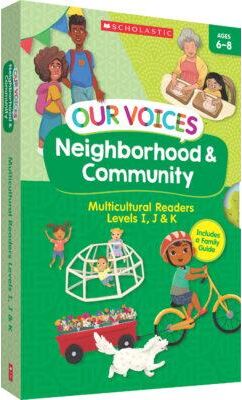
Our Voices: Neighborhood & Community Boxed SetFoster a feeling of belonging while building key reading skills with these colorful storybooks that spotlight a variety of neighborhoods and communities. The 10 charming stories feature characters from different cultural backgrounds who learn about...32,37 $*Shipping: 0,00 $Secure redirect to the provider
-
Men's Big & Tall MLB Team T-Shirt by MLB in Yankees (Size XL)Add the MLB Team T-shirt to your game day lineup. Crafted from breathable 100% cotton, this relaxed-fit tee is perfect for baseball season — from tailgating and cheering in the stands to watching the game at home. With extended sizing, soft fabric,...34,71 $*Shipping: 0,00 $Secure redirect to the provider
-
Is a DVB-T receiver compatible with a DVB-C connection?
No, a DVB-T receiver is not compatible with a DVB-C connection. DVB-T and DVB-C are two different digital television standards. DVB-T is designed for terrestrial broadcast, while DVB-C is designed for cable television. Therefore, a DVB-T receiver will not be able to receive and decode the signals from a DVB-C connection. If you want to use a DVB-T receiver with a DVB-C connection, you will need to use a separate DVB-C receiver. **
-
How can I feed DVB-T into the house network for cable connection?
To feed DVB-T into your house network for cable connection, you can use a DVB-T tuner or receiver that has an Ethernet port. Connect the DVB-T tuner to your home network using an Ethernet cable. This will allow the DVB-T signal to be distributed through your home network to any device connected to it, such as smart TVs or streaming devices. You may also need to configure the network settings on the DVB-T tuner to ensure proper connectivity. **
-
How can I feed DVB-T into the home network for cable connection?
To feed DVB-T into your home network for cable connection, you will need a DVB-T tuner device that can convert the digital TV signal into a format that can be transmitted over your network. You can then connect the DVB-T tuner to your home network using an Ethernet cable or through a Wi-Fi connection. Once connected, you can access the DVB-T signal on any device within your home network that is capable of receiving and decoding the signal, such as a smart TV or a computer with the appropriate software. **
-
How do I connect a DVB-S connection to a DVB-T connection on the TV?
To connect a DVB-S connection to a DVB-T connection on the TV, you will need a DVB-S to DVB-T converter or a set-top box that supports both DVB-S and DVB-T signals. Connect the DVB-S signal to the converter or set-top box using a coaxial cable, and then connect the converter or set-top box to the TV using an HDMI or RCA cable, depending on the available ports on your TV. Once the connections are made, you can switch the TV input to the appropriate source and tune to the desired channels using the converter or set-top box remote control. **
Similar search terms for DVB-T
-
How can I upgrade my DVB-T to DVB-T2?
To upgrade your DVB-T to DVB-T2, you will need to purchase a new set-top box or television that is compatible with DVB-T2 broadcasts. DVB-T2 offers better picture quality and more channels compared to DVB-T. Make sure to check if your current TV or set-top box is capable of receiving DVB-T2 signals before purchasing a new one. Additionally, you may need to re-scan for channels on your device once you have upgraded to DVB-T2 to access the new channels available. **
-
How can I feed DVB-T into the house network for the cable connection?
To feed DVB-T into the house network for the cable connection, you can use a DVB-T tuner or receiver that has an Ethernet port. Connect the DVB-T tuner to your home network using an Ethernet cable. This will allow you to stream the DVB-T signal to other devices on your network, such as smart TVs, computers, or media players. You may also need to configure the settings on your DVB-T tuner to ensure it is connected to your network properly. **
-
How can I integrate DVB-T into the home network with the cable connection?
To integrate DVB-T into your home network with a cable connection, you can use a DVB-T tuner or receiver that supports network streaming. Connect the DVB-T tuner to your cable connection and set it up to stream the channels over your home network. You can then access the DVB-T channels on other devices connected to the same network, such as smart TVs, computers, or mobile devices, using compatible software or apps. This allows you to watch DVB-T channels on multiple devices throughout your home without the need for individual antennas or cable connections for each device. **
-
Do you need an antenna for DVB-T and DVB-T2?
Yes, you will need an antenna for both DVB-T and DVB-T2. These are terrestrial digital television standards that require an antenna to receive the broadcast signals. The type of antenna you need will depend on your location and the strength of the signals in your area. It's important to choose the right antenna to ensure you receive a clear and strong signal for your DVB-T or DVB-T2 television. **
* All prices are inclusive of VAT and, if applicable, plus shipping costs. The offer information is based on the details provided by the respective shop and is updated through automated processes. Real-time updates do not occur, so deviations can occur in individual cases. ** Note: Parts of this content were created by AI.